
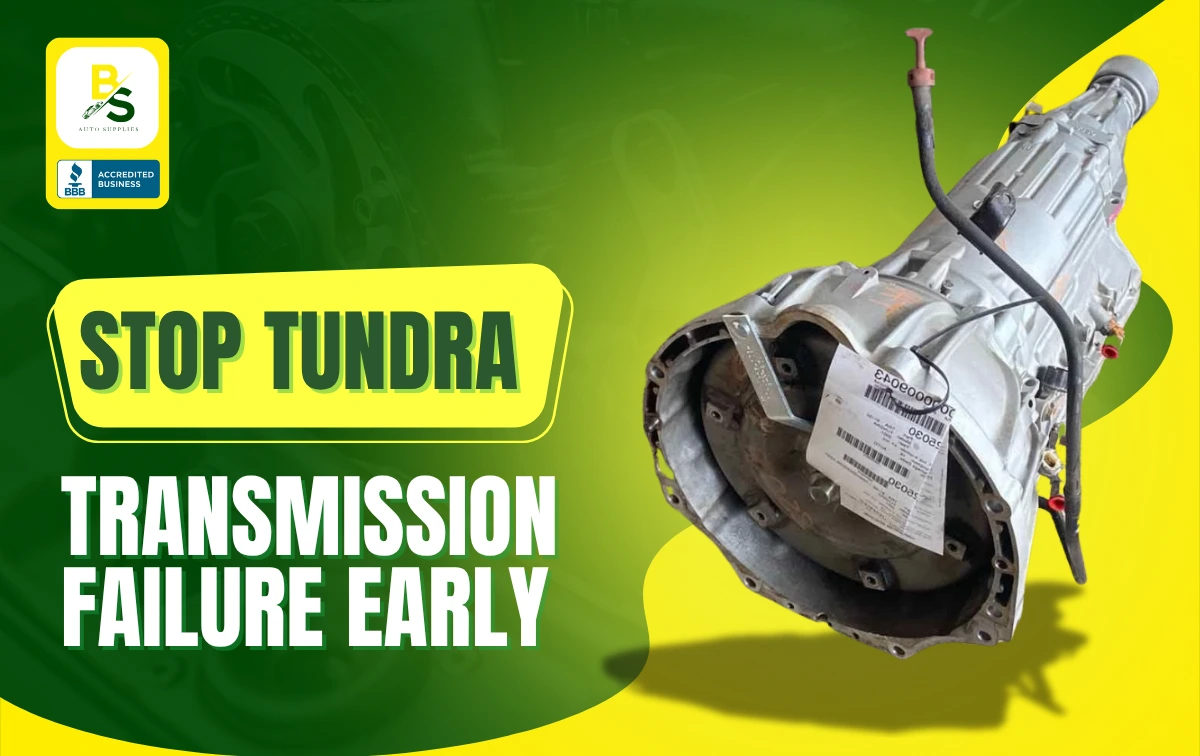
If you own a 1998–2000 Toyota Tundra 4x4 with a 4.7L V8 engine, keeping a close eye on your automatic transmission is essential. While Toyota built these trucks for durability, even the most reliable drivetrains can experience wear and tear over time. Catching early signs of transmission failure can save you from a breakdown — or a costly full replacement. Here's how to spot the red flags early.
1. Delayed Shifting or Slipping Gears
One of the most noticeable symptoms of transmission trouble in the Toyota Tundra 4WD automatic transmission is delayed shifting — especially when moving from Park to Drive or Reverse. You may also feel the truck slipping out of gear unexpectedly while driving, which is a serious safety concern. This might be the result of tainted transmission fluid, malfunctioning solenoids, or worn-out clutch packs.
2. Unusual Noises or Grinding
Your Tundra V8 automatic transmission should shift smoothly and quietly. If you hear grinding, whining, or buzzing sounds while driving or idling, it could signal internal component damage. The OEM Tundra transmission is designed to run quietly, so any persistent noise should prompt a visit to your mechanic.
3. Fluid Leaks and Burnt Smell
Transmission fluid is vital for cooling and lubrication. If you notice reddish-brown puddles under your truck or a burnt smell while driving, you could be facing a Toyota truck transmission replacement soon. Leaks often stem from worn seals or gaskets, and burnt fluid can indicate overheating or friction damage inside the gearbox.
4. Dashboard Warning Lights
Your Tundra’s onboard computer monitors transmission performance. A lit check engine light (especially if accompanied by transmission codes) can hint at issues with the Toyota Tundra 4x4 automatic transmission. Scan the code with an OBD-II scanner or have it diagnosed by a professional for a more accurate reading.
5. Shaking or Vibration at Certain Speeds
If your Tundra starts to shake or vibrate during specific speeds or gear changes, don’t ignore it. This often means components inside the transmission are wearing unevenly. It's a tell-tale sign that your 1998-2000 Toyota Tundra 4x4 Automatic Transmission is developing internal mechanical issues.
What to Do Next?
Catching these signs early gives you options — from a fluid flush or solenoid replacement to a full rebuild if necessary. Ignoring them, on the other hand, could lead to catastrophic failure and a costly Toyota truck transmission replacement.
If you need high-quality, reliable parts for your Tundra, BS Auto Supplies offers a wide selection of components, including OEM and aftermarket options tailored to the Toyota Tundra 4WD transmission systems. Our goal is to assist you in confidently getting back on the road.
Final Thoughts
The 1998–2000 Toyota Tundra 4x4 automatic transmission is known for its durability, but even the best systems can fail without warning. Staying informed and proactive is the key to avoiding breakdowns and expensive repairs.
Need parts fast? Trust BS Auto Supplies for premium transmission components and expert service.







0 Comments